




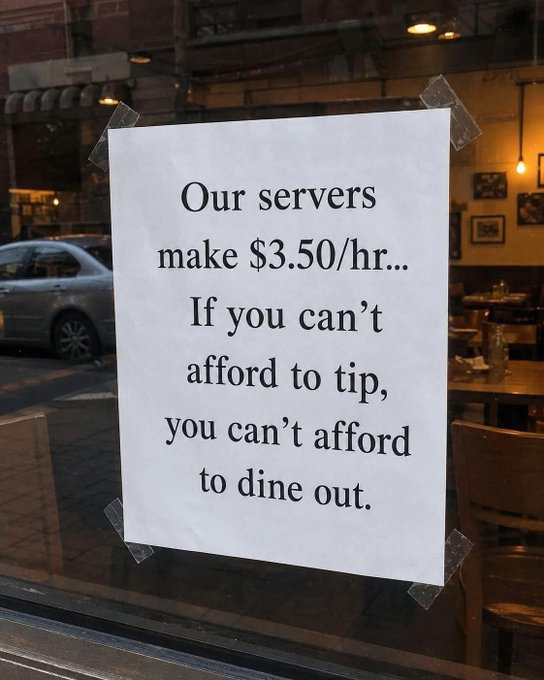
I have accepted that I have tip fatigue. It used to be that a tip was meant to be a voluntary reward for attentive service in the range of 15%. Then the accepted tipping rate became 18 and now is 20% During this development and especially recently, other things started to change. Now with various forms of technology, restaurants have started adding surcharges, and sky-high default percentages. It seems that tipping has morphed into a semi-compulsory, added cost that mimics hidden pricing. What was once a pillar of hospitality now feels suspiciously like a hidden tax.
Why Restaurant Tipping Feels Like a Hidden Fee
The growing consumer uproar over restaurant bills comes down to three factors: transparency, control, and value.
| Attribute | Traditional Dining Tip | Standard Junk Fees | Modern Restaurant “Tip Creep” |
| Control | Fully voluntary based on service | Mandatory or hidden | Socially coerced & difficult to opt out |
| Timing | Added after full sit-down service | Hidden upfront; revealed at checkout | Demanded upfront at counters before food arrives |
| Recipient | Directly to your server/bussers | Retained by business management | Ambiguous (kitchen pools, back-of-house, or owners) |
| Pricing Impact | Flexible, optional add-on | Deceptively inflates advertised cost | Used to subsidize basic restaurant payroll |
From Voluntary to Outrageous Social Coercion
Point-of-sale (POS) touchscreen tablets have invaded everything from fast-casual dining spots to counter-service bakeries. Customers picking up a takeout order or standing at a counter are routinely spun a screen showing pre-selected tip prompts starting at 20%, 25%, or even 30%—often before a single item has been prepared.
This creates immense pressure. By forcing a public decision on a glowing screen right in front of the cashier and other customers, restaurants strip away the voluntary nature of the gesture. It stops feeling like gratitude for hospitality and starts feeling like an access fee just to get your food.
The Explosion of Hidden Surcharges & Kitchen Fees
Examine the fine print on a restaurant check today, and you’ll often find sneaky add-ons: a 3% to 5% Health & Wellness Fee, an Administrative Surcharge, or a Back-of-House Living Wage Fee. Most diners reasonably assume these surcharges go directly to their server as part of the tip. In reality, management retains these fees to cover operational overhead and credit card processing. This practice directly mirrors the controversial “drip pricing” models pioneered by airlines and online ticket brokers.
Using Tips to Hide True Menu Prices
Restaurants are increasingly using the tipping system and post-meal surcharges to keep advertised menu prices artificially low. Rather than raising the price of an entrée from $20 to $25 to pay competitive wages, restaurants rely on customer tips and extra fees to bridge the operational gap. When a meal advertised at $40 balloons to $60 after taxes, venue fees, automatic service charges, and expected tip percentages, it functions as a classic bait-and-switch.
My Takeaway
While a true tip, when freely given after receiving excellent hospitality, will always have a place in dining culture, the modern restaurant industry has turned the process into an outrageous burden. When dining establishments rely on hidden fine-print surcharges, aggressive 30% digital prompts at cash registers, and ambiguous service fees to cover basic labor costs, they deliver the exact same frustration as a junk fee: eroded price transparency and zero consumer choice.
This results in a breach of trust with the customers. No longer do you feel like a welcomed patron of the restaurant, now you are just a consumer to be taken advantage of. It is a sad state of affairs that dining out, an experience built on comfort and hospitality, is now viewed with the same cynicism and distrust as booking a flight or staying at a hotel.